

Jetting stormwater basins
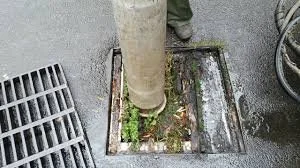
Heavy rains, seasonal storms, and melting snow can quickly overwhelm property infrastructure if drainage networks are not functioning optimally. Effective stormwater management is critical to protecting commercial real estate, municipal roadways, and the local environment. When leaves, dirt, urban trash, and organic sludge accumulate, runoff water has nowhere to go. This is exactly where the highly effective practice of jetting stormwater basins comes into play.
By utilizing intense water pressure, this modern method restores flow and prevents catastrophic backups. Whether you manage an industrial site, a retail complex, or a residential community, understanding the mechanics of keeping your drainage clear is essential. Let’s dive into how modern jetting techniques are revolutionizing the way we maintain these vital underground networks.
What is Jetting and Why is it Necessary?
Property managers and municipal planners frequently ask: why do storm drains need professional cleaning? The simple answer comes down to gravity and time. Everything that washes off a parking lot, roof, or street eventually ends up in the catch basins. Over time, this wet debris solidifies into a concrete-like sludge, restricting water flow and creating a massive bottleneck in your system.
Jetting stormwater basins is the process of using heavy-duty hoses and specialized nozzles to blast highly pressurized water through your underground pipes. Specifically, high pressure hydro jetting for drainage systems scours the interior walls of the pipes, breaking apart hardened sediment, aggressive tree root intrusions, and compacted trash. Unlike older, less effective maintenance methods, jetting leaves the interior of the pipe in a nearly new condition, entirely restoring its original diameter.
The Core Benefits of Professional Maintenance
Relying on advanced stormwater solutions does much more than just fix immediate, visible clogs; it provides long-term stability and safety for your property.
Immediate Flood Prevention: One of the most obvious advantages is preventing localized flooding through pipe flushing. When a heavy rainstorm hits, a fully cleared pipe can handle massive volumes of water without backing up into parking lots, basements, or streets.
Capacity Restoration: Over the years, a 12-inch drainage pipe might be reduced to a 4-inch opening due to sediment buildup. Jetting is the ultimate method for improving hydraulic capacity of drainage networks, ensuring they can easily handle peak storm events.
Environmental Protection: Proactive cleaning represents one of the best practices for non-point source pollution control. By extracting heavy metals, motor oils, fertilizers, and plastics from the basin before they wash into local rivers and streams, you are actively protecting the surrounding ecosystem.
Hydro-Jetting vs Mechanical Cable Cleaning
When evaluating your property’s maintenance options, it is incredibly helpful to understand the differences between hydro-jetting vs mechanical cable cleaning. Mechanical snaking uses a motorized metal cable with a cutting blade on the end to punch a hole through a blockage. While it might temporarily restore a small amount of flow, it leaves the majority of the grime and sludge caked on the pipe walls.
Conversely, high-pressure water acts as a 360-degree scraper. It doesn't just punch a narrow hole; it completely emulsifies the blockage and washes it away. Because it thoroughly cleans the pipe and prevents rapid recurrent build-up, hydro-jetting is widely recognized as one of the most cost-effective solutions for drainage pipe clogs on the market today.
The Removal Process: Dealing with Sediment Properly
Blasting the pipes clean is only half the battle. If you are wondering how to remove sediment from catch basins permanently, the answer lies in physical extraction. Once the jetter pushes all the loosened debris from the lateral pipe lines into the main catch basin, that accumulated waste must be physically removed from the site.
This is where vacuum truck debris extraction services become absolutely essential. These incredibly powerful trucks feature massive hoses that pull the loosened sludge, rocks, and contaminated water out of the basin and into a sealed holding tank for safe, legal disposal.
Actionable Tip: Always ensure your maintenance contractor uses a combination truck (often called a "combo truck") that can jet and vacuum simultaneously. This prevents the freshly loosened debris from simply washing further down the line and creating a brand-new blockage elsewhere in the network.
Ensuring Regulatory Compliance and Environmental Safety
For municipalities, industrial sites, and large commercial entities, maintaining drainage infrastructure isn’t just good practice—it’s often a strict legal requirement. Meeting MS4 regulatory compliance maintenance standards (Municipal Separate Storm Sewer System) requires rigorous, documented upkeep of storm drains to prevent polluted runoff from entering natural bodies of water.
Failure to properly maintain these systems can result in steep fines, legal liabilities, and severe environmental degradation. Routine basin jetting ensures that your facility remains fully compliant with state and federal regulations. Furthermore, extending this level of care to larger retention areas highlights the benefits of routine detention pond maintenance. By keeping the outflow structures and connecting pipes clear, detention ponds can drain at their engineered, regulated rate rather than overflowing and causing severe property erosion.
Advanced Techniques and Modern Equipment
The technology used in modern drainage maintenance is incredibly sophisticated. A quick look at any commercial sewer cleaning equipment guide reveals a wide variety of specialized nozzles, ranging from forward-penetrating nozzles for solid blockages to rotary spinners that polish the pipe walls.
This advanced equipment is also highly versatile. For example, the exact same specialized combo trucks used for clearing blocked culverts with high pressure water can also be utilized for hydro-excavation for underground utility safety. Hydro-excavation uses a precise stream of pressurized water to safely liquefy and remove soil around buried gas lines, fiber optics, and electrical cables. This eliminates the massive risk of striking explosive or dangerous utilities with traditional mechanical excavators.
Additionally, before and after the jetting process, skilled technicians frequently perform subsurface infrastructure inspection and flushing. Using waterproof robotic crawler cameras, professionals can visually inspect the structural integrity of your underground pipes. This allows them to verify that the line is perfectly clean and ensures there are no hidden collapses, severe cracks, or misaligned joints that might require excavation and repair in the future.
Signs It Is Time to Schedule Maintenance
To keep your property safe, watch for these common warning signs that your system needs immediate attention:
Water pooling around storm drains long after the rain has stopped.
Foul, stagnant odors emanating from the grates.
Visible trash, leaves, and mud packed up to the top of the catch basin grate.
Gurgling sounds coming from connected downspouts or drainage lines.
The Bottom Line
Maintaining your property’s drainage infrastructure should never be an afterthought. By routinely jetting stormwater basins, you are actively investing in the safety, legal compliance, and longevity of your real estate. From preventing devastating structural floods to keeping local waterways entirely clean from harmful pollutants, the immense value of professional hydro-jetting and vacuum extraction simply cannot be overstated. Don't wait for a severe storm to test the limits of your neglected pipes. Schedule a comprehensive inspection and cleaning today to guarantee your property is ready to weather whatever Mother Nature brings its way.